Case Studies
Supply Chain Optimization Program Provides Lifeline to Virginia Businesses
Two seemingly unrelated companies are proof of concept for a program with the potential to transform supply chain operations for Virginia companies. Fend Inc. is a small cybersecurity provider that ran into supply issues during the depths of the COVID-19 pandemic. Somic America is a large auto parts manufacturer that wanted to build supply chain resiliency in case of future disruptions.
Two seemingly unrelated companies are proof of concept for a program with the potential to transform supply chain operations for Virginia companies. Fend Inc. is a small cybersecurity provider that ran into supply issues during the depths of the COVID-19 pandemic. Somic America is a large auto parts manufacturer that wanted to build supply chain resiliency in case of future disruptions.
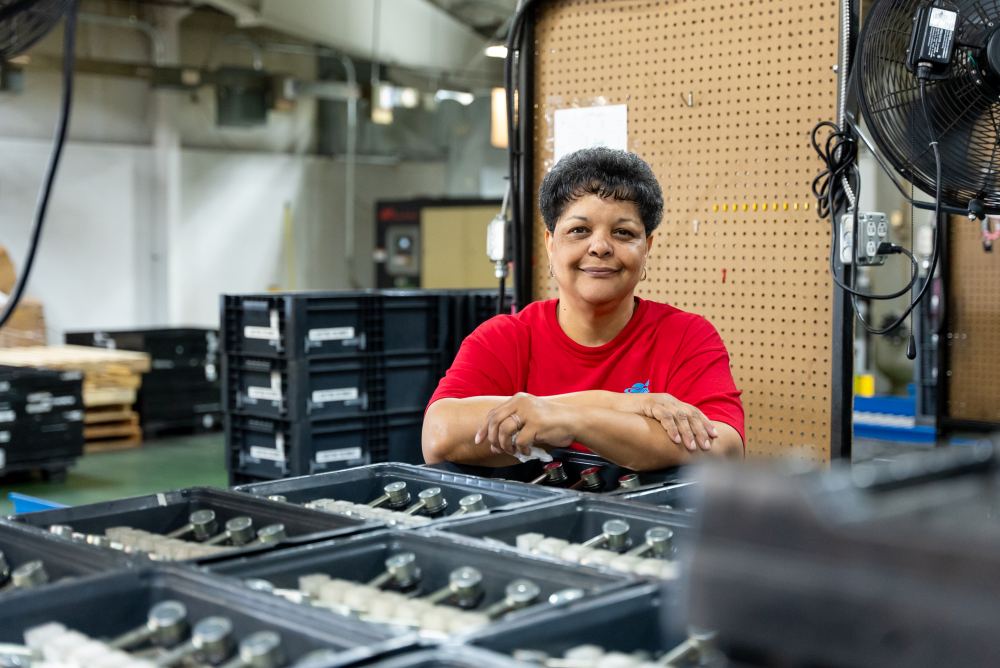
Somic America, Inc., Wythe County
Fend and Somic are two success stories from VEDP’s Supply Chain Optimization Program (SCOP), believed to be the country’s first state-led supply chain assistance program. SCOP is designed to help Virginia companies evaluate and streamline their supply chain management and import processes through counseling, strategy development, and resources to improve performance and reduce costs.
Based in Arlington County, Fend makes products that protect critical infrastructure from cyberattack. The company got through the early portions of the pandemic without major issues, but supply chain shortages eventually caught up to them as key components came into high demand from other companies in similar situations. As founder and CEO Colin Dunn put it, “Designs assume an infinite supply of everything you ever needed,” and the company suddenly needed to build resilience into its operations.
Somic, located at the intersection of Interstates 81 and 77 in Wythe County, depends on infrastructure and friction-free logistics operations to keep its products moving. Jeff Dunnack, the company’s general manager of supply chain management, helped keep the company moving during the pandemic and the associated freight and trucking backups, describing the effort as “fighting a losing battle,” and thought SCOP could provide an outside perspective on what the company could do better.
Through VEDP and SCOP, Somic engaged with a management consulting partner, which helped the company work with its suppliers to develop more meaningful key performance indicators. In addition to the material changes based on the engagement, Somic has benefited from improved relationships with its suppliers as a result of the planning work done together. Those improvements have resulted in quantifiable outcomes. In 2022, Somic missed a dozen shipments from suppliers. In the first half of 2023, the company reported just one missed shipment, the result of circumstances beyond the control of Somic or the supplier in question.
Fend, meanwhile, also benefited from increased transparency in its supplier relationships. SCOP helped leadership develop methods to get priority for components and expedite deliveries, but just as valuable, the company came away from the process with greater understanding of the nuance of the supply chains for its key components — and the company made it through the pandemic without having to turn down an order based on supply concerns. Taken together, Fend and Somic serve as proof of concept for how SCOP helps companies evaluate and streamline their supply chain management and import processes.